Stick Fighting Martial Arts: Top 15 Rod Combat Duel Forms
Contents
- The Most Common Martial Arts With Sticks
- 1. Arnis
- 2. Bojutsu
- 3. Canne De Combat
- 4. Gatka
- 5. Hanbojutsu
- 6. Jojutsu
- 7. Juego Del Palo
- 8. Krabi-Krabong
- 9. Mau Rakau
- 10. Shintaido
- 11. Silambam
- 12. Singlestick
- 13. Tahtib
- 14. Taiho Jutsu
- 15. Zulu
- Frequently Asked Questions
- Are stick fighting martial arts deadly?
- How long should a fighting stick be?
- Conclusion
- Sources
Sticks might seem simple, but in trained hands they're serious weapons.
Stick fighting martial arts teach you to use a cane, walking stick, baton, or staff for self-defense, sport, or cultural tradition. Always train with qualified instructors and proper protective gear, since stick strikes can cause serious injuries.
Are you clueless about the different kinds of fighting stick martial arts? Read on and I will walk you through some of the most popular ones.
The Most Common Martial Arts With Sticks
From kung fu to Krav Maga, there is a long list of martial arts. On this list, our focus is on fighting with sticks and staffs, which let you work from a longer range.
1. Arnis
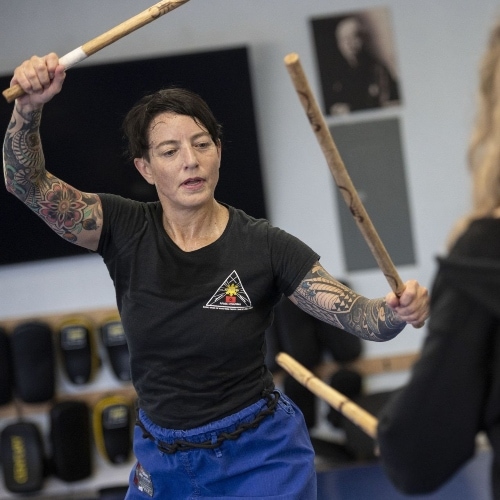
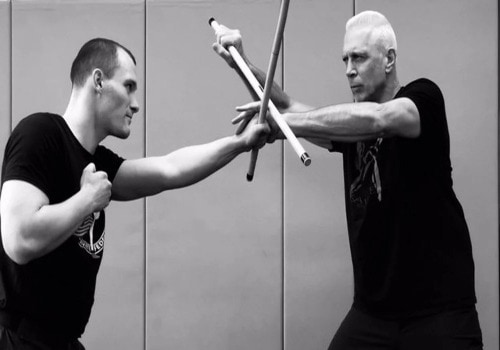
Also called escrima or Kali, it is a weapon-based Filipino martial art that also teaches empty-hand fighting, locks, grappling, and disarms. Aside from sticks, it trains with blades such as knives.
Arnis is the national martial art and sport of the Philippines under a 2009 law, and it's one of the most popular stick fighting arts in the world.
This Filipino martial art has a diverse origin. It is believed to have originated from the native fighting techniques of pre-Hispanic Filipino tribes. There are also influences from Spanish fencing, as well as Indian, Arab, and Chinese martial arts.
Baston is the most common impact weapon used in this Filipino stick fighting, which is often made of rattan or mahogany. Modern materials are also available, including aluminum, fiberglass, and plastic.
2. Bojutsu
Karate and judo are two of the first things that come into mind when talking about Japanese martial arts. While it is not as popular, you should also know about bojutsu.
Bo is a Japanese word that means staff. Meanwhile, jutsu means skill or technique. The standard bo is a wooden staff about six feet long.
The staff is treated as an extension of the arms, and bojutsu is closely linked with Okinawan karate, where many styles still teach bo kata.
Fun Fact: Stamina is just as important as speed and power. Train to improve your physical and mental stamina by using the best jump ropes for boxing and other fitness routines.
3. Canne De Combat
A French martial art style, canne de combat uses a cane, which is a kind of walking stick. It is a light and slightly tapered material that is often made of chestnut wood.
During combat, the opponents will only use one cane, which they must hold with one hand. You are free to change the hand position throughout the fight.
You can only make horizontal and vertical strikes during cane fighting. You are not allowed to thrust or stab your opponent.
To score a point, you will need to hit the other person on the head, calves, and torso. The person with the highest score wins.
4. Gatka
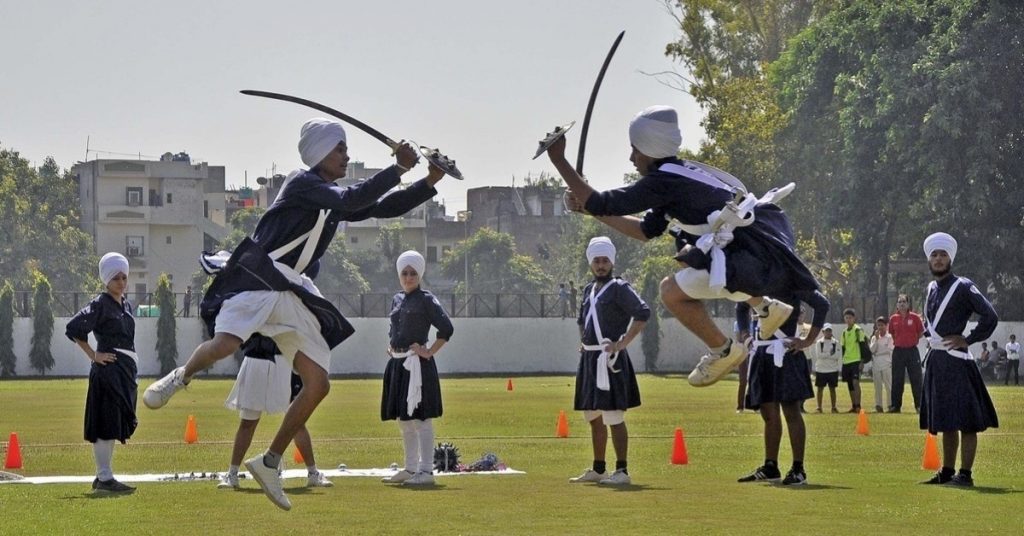
Gatka
More than just a form of self-defense, Gatka is also known for being a spiritual practice.
It is known as yoga for empowering oneself. The goal is not merely to fight. Instead, it is a way of thinking and living with contentment and joy.
Gatka is a Punjabi term for the wooden sticks used in practice. It's linked to Sikh warrior traditions that grew during conflicts with the Mughal Empire.
Today, Gatka is practiced in both traditional demonstration and sport formats, especially at Sikh festivals and processions.
5. Hanbojutsu
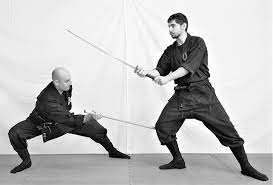
Hanbojutsu
Hanbo is a three-foot wooden staff, which is the main weapon that you will use in Hanbojutsu, a form of Japanese martial art.
Many of the techniques are similar to what you would practice in cane fighting. It involves poking, thrusting, and blocking, among others.
One of its main differences with Filipino stick fighting or arnis is that Hanbojutsu is less aggressive.
It is quieter but equally powerful, especially if you master the right timing and footwork.
6. Jojutsu
Jojutsu or jodo is another Japanese martial art. It uses the jo, a staff about four feet long, compared with a bo staff of about six feet.
It involves thrusting, sweeping, and striking, often practiced in set forms against a partner with a wooden sword.
In Japan, jodo techniques were adapted for police training, and the jo-based methods are still part of police stick work there.
Fun Fact: Judo is also of Japanese origin and has similarities with Jojutsu. Read more about Judo vs Taekwondo to know how the former compares to the latter!
https://www.youtube.com/watch?v=2\_AQvx-43Sw
7. Juego Del Palo
Juego del Palo is a combination of martial arts and folk sports that started in the Canary Islands. Playing Juego del Palo requires two players to have a spontaneous interplay of attack and defense stick fighting techniques.
Its name translates to stick play.
In traditional play, the players don't wear protective equipment. Instead, practitioners are taught to execute skillful, controlled attacks rather than hitting with full force.
8. Krabi-Krabong
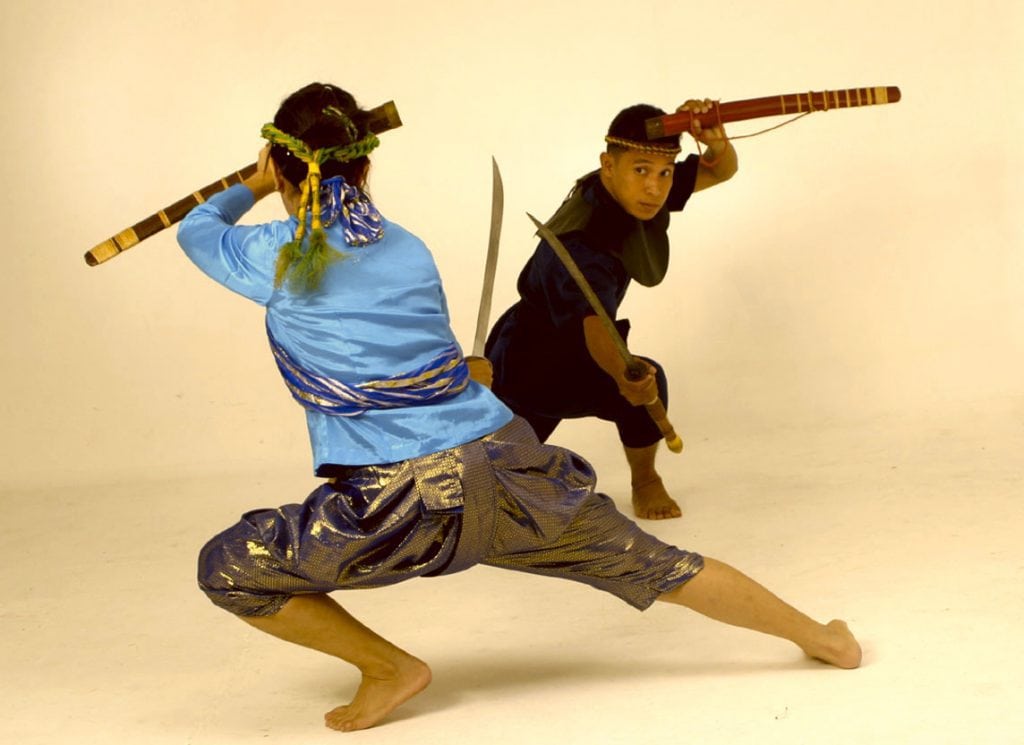
Krabi Krabong Sword
When people talk about martial arts style from Thailand, the first thing that comes to mind is Muay Thai. Nonetheless, they are also known for a form of stick fighting called Krabi-Krabong.
In English, Krabi means sword and Krabong means staff.
Krabi Krabong uses a range of traditional weapons, including swords (often one in each hand), staffs, and polearms. Because it goes well beyond sticks, it's taught today mainly as a cultural art and in choreographed demonstrations.
9. Mau Rakau
A traditional Maori martial art, Mau Rakau is all about the skillful use of wooden weapons. The best known is the taiaha, a long staff, and it also includes short clubs.
Mau Rakau translates roughly to “to bear a weapon.” It's taught today as part of Maori cultural tradition.
10. Shintaido
Shintaido draws on karate, sword arts, and staff work, and it was developed by a group that included artists and performers, not just martial artists.
Created in the 1960s under the leadership of Hiroyuki Aoki, Shintaido is a largely non-combative Japanese movement art. Its staff work, called bojutsu, is one of its main practices.
Shintaido aims to combine expressive movement with meditative practice. One of its pillars is the development of ki, a Japanese word for vital energy.
Practitioners often take it up for relaxation, focus, and fitness as much as self-defense.
11. Silambam
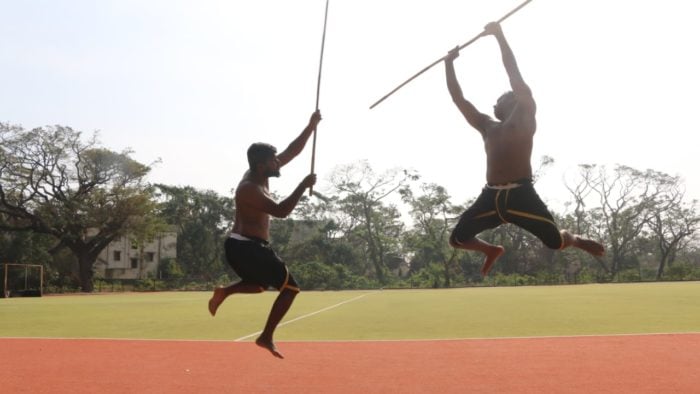
Silambam
A popular ancient Indian martial art, Silambam comes from Tamil Nadu. It has also long been practiced in Tamil communities in Malaysia and Sri Lanka.
Aside from stick twirling methods, you also need to learn animated movements and graceful footwork to trick and attack your opponent.
The length of the stick that you will use will depend on your height. It should reach the forehead, approximately three fingers from your head’s top.
12. Singlestick
Also called cudgels, singlestick is an English stick-fighting art that began as a way to practice sword fighting, including for sailors, with a wooden stick instead of a blade. It later became a sport in its own right.
The singlestick is a slender, round wooden rod, often made of ash. It has a basket hilt made of leather, cane, or wicker to protect the hand.
13. Tahtib
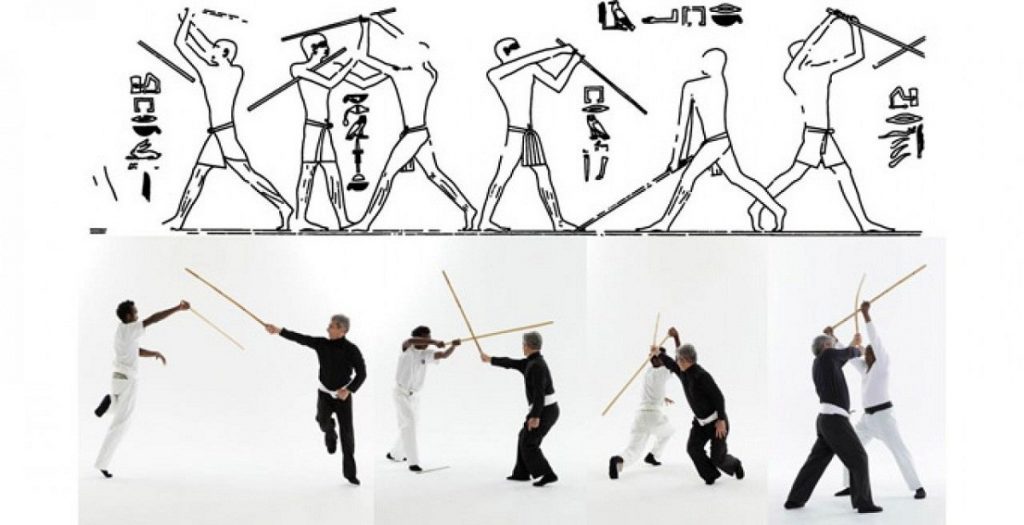
Tahtib
The main weapon used in Tahtib is a long stick, often about four feet of rattan or wood.
Tahtib is an Egyptian stick art that UNESCO says was used as a martial art in ancient Egypt. Today, it's practiced mainly in rural Upper Egypt as a festive game performed to music, and UNESCO added it to its intangible cultural heritage list in 2016.
If you travel to Egypt, you might see Tahtib performed as a demonstration, a non-violent exchange where no actual striking is allowed.
14. Taiho Jutsu
Japan's police developed Taiho Jutsu after World War II as a system for arresting suspects. Its goal is to control and restrain a suspect while causing as little injury as possible.
The International Taiho Jutsu Federation or ITJF notes that the practice of this martial art includes a combination of arm and wrist controls, including locking and holding. It can also include karate techniques, especially when the situation calls for more force.
If you are interested in Taiho Jutsu, you will need to learn several techniques, including body movements, striking, blocking, kicking, strangulation, and throwing. Beyond sticks, you will also use other specialized weapons, such as handcuffs.
15. Zulu
Wrapping up the list of staff martial arts is Zulu stick fighting. It is one of the most commonly overlooked staff fighting styles.
It is a stick fighting tradition of the Zulu (Nguni) people of South Africa, traditionally practiced by boys and men.
Fighters typically use one stick for attacking and another stick or shield for defending. Boys often learned it while herding cattle, and it has long been tied to status and rites of passage.
Fun Fact: There are some martial arts that employ unarmed fighting techniques. Read more about these different martial arts fighting styles as a complement to this article.
Knock-Out Point: You might want to consider defending yourself without having any sticks on hand. Proceed to read our post here -- Best Striking Martial Arts.
Frequently Asked Questions
Are stick fighting martial arts deadly?
They can be. A hard stick strike can break bones or cause a serious head injury, which is why sport stick fighting uses padded sticks, helmets, and body armor.
Arnis or kali is one of the most practical systems, and its techniques have influenced some military and police training.
How long should a fighting stick be?
There is no single standard. Arnis sticks are usually around 26 to 30 inches long, roughly arm's length. For Silambam, the staff is about the height of the user, reaching around the forehead.
Japanese staffs come in fixed sizes: about three feet for the hanbo, four feet for the jo, and six feet for the bo.
Conclusion
Fighting with sticks has been one of the oldest forms of martial arts. From the Philippines to the Canary Islands, many global fighting styles incorporate the use of sticks which is complemented by agile body movement and footwork.
Is there any other stick fighting martial arts that you would like to add to this list? Leave a comment below and let us know!
Sources
- Republic Act No. 9850: Arnis as the National Martial Art and Sport, Lawphil (Philippine law text)
- Tahteeb, stick game, UNESCO Intangible Cultural Heritage