
How Do UFC Fighters Cut Weight: Strategies & Means Revealed
Contents
- What Does Weight Cutting Mean?
- Why Do They Cut Weight?
- How Do UFC Fighters Cut Weight?
- 1. Fluid Restrictions
- 2. Calorie Restriction
- 3. Excessive Sweating
- How Long Do Fighters Take To Cut Weight?
- How Much Weight Can Fighters Cut?
- What Are The Dangers Of Losing Weight Rapidly?
- 1. Severe Dehydration
- 2. Excessive Dieting
- What Are The Weight Rules In This Sport?
- Watch This!
- Frequently Asked Questions
- What Happens When A Fighter Misses Weight?
- What Happens After The UFC Weigh-In?
- What Do These Athletes Eat To Cut Weight?
- Conclusion
- Sources
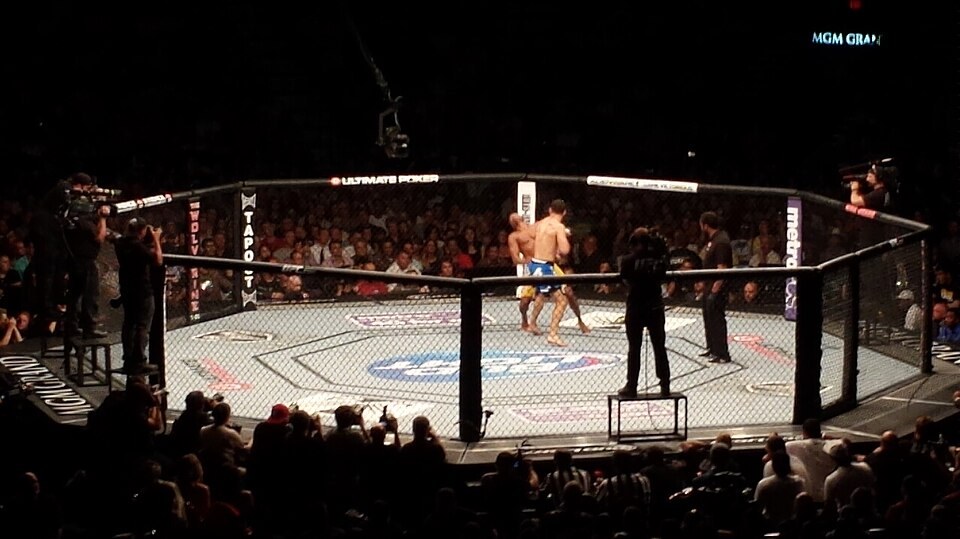
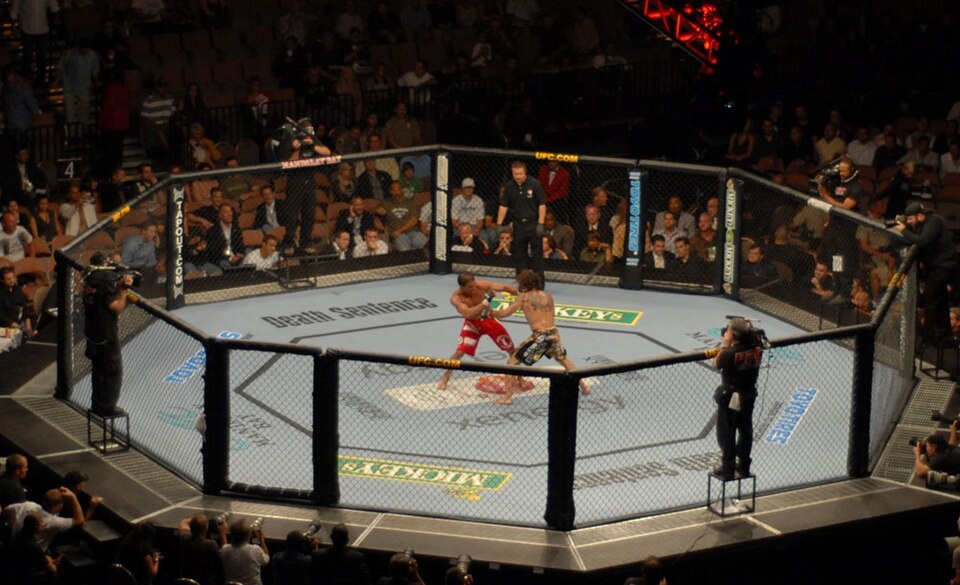
Photo by Mike Dunn, CC BY 2.0, via Wikimedia Commons
Mixed Martial Arts has evolved over the last few decades into a highly regulated sport. For instance, UFC fighters are drug tested, and steroids are banned.
But…
Extreme weight cutting is still one of the sport's biggest problems. Fighters cut weight to compete in a division below their natural walking weight. So if you want to know how UFC fighters cut weight, and why it's risky, read on.
Important: This article explains what pro fighters do. It is not a guide to follow. Rapid dehydration is dangerous and has killed fighters, so never try it without medical supervision.
What Does Weight Cutting Mean?
Weight cutting means losing weight quickly before an official weigh-in, mostly by dehydrating, so a fighter can compete in a lower weight division than they normally would.
Most fighters diet down over their training camp, then shed the last several pounds of water in the final days before the weigh-in.
After making weight, fighters rehydrate and eat to regain much of that weight before the fight, hoping to be bigger than their opponent.
UFC fighters use methods ranging from fluid restriction and strict dieting to forced sweating in saunas, sweat suits and hot baths. Many also cut sodium and carbohydrates in the final days, since both make the body hold water.
The amount varies a lot. In one survey of MMA athletes, the average cut was about 8% of body weight, and some fighters cut far more. Rapid weight loss on that scale puts their health at real risk.
Why Do They Cut Weight?
MMA is divided into weight classes. In the UFC, official weigh-ins happen the morning before fight night, which gives fighters more than a day to rehydrate.
Many fighters believe that being the bigger, stronger person in a lower division gives them an advantage.
That belief drives fighters to drop weight rapidly before the weigh-in, then put it back on before the fight. The research on whether this actually helps performance is mixed.
How Do UFC Fighters Cut Weight?
Today, many pro fighters work with nutritionists and sports scientists to manage the process. A typical cut combines several of the following methods:
1. Fluid Restrictions

A common approach is "water loading": drinking large amounts of water for several days, then sharply cutting intake right before the weigh-in. The idea is that the body keeps flushing water after intake drops.
In a 2019 survey of MMA athletes, 90% reported water loading and 79% reported fluid restriction. These are exactly the methods that cause severe dehydration, so they carry real health risks.
2. Calorie Restriction
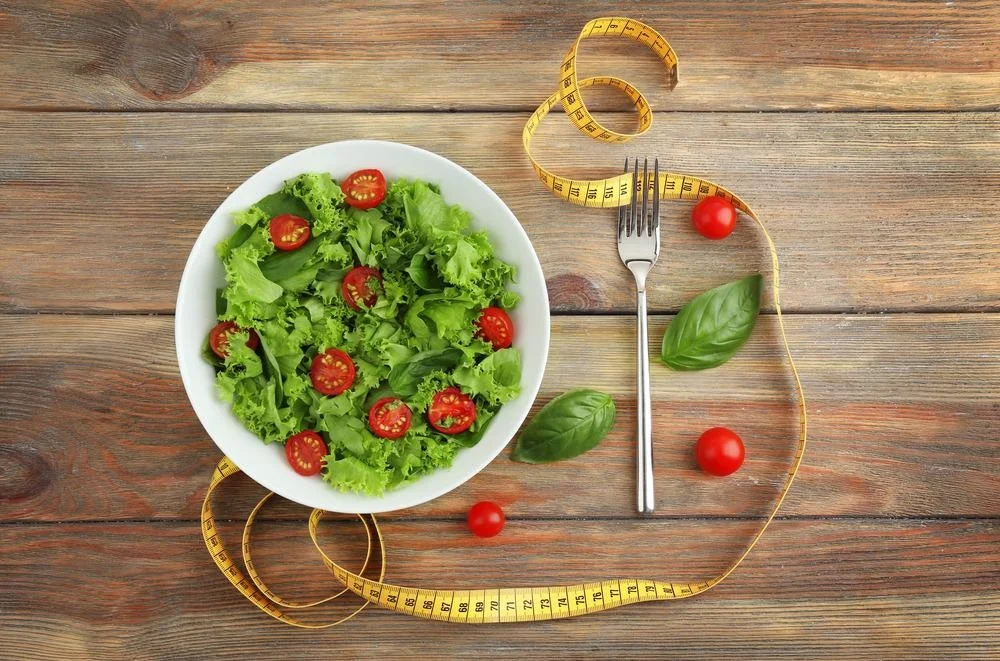
The other part of the cut is dieting. Over the camp, fighters lose fat gradually. In the final days, many cut carbohydrates and fiber, since stored carbohydrate holds water and food in the gut adds weight.
They also limit sodium, which helps the body retain water. Some fighters have used diuretics, but diuretics are banned in drug-tested sports and are dangerous when combined with dehydration.
3. Excessive Sweating
The final pounds often come off through forced sweating: saunas, hot baths and working out in sweat suits. These methods are very dangerous because they raise body temperature while the fighter is already dehydrated, and they can leave a fighter weak or collapsing on weigh-in day.
How Long Do Fighters Take To Cut Weight?
It depends on the fighter's size, body composition and how far above the limit they walk around. Most of the fat loss happens over a training camp of several weeks, while the water cut is usually squeezed into the final days.
The bigger the water cut, the bigger the risk. That's why commissions now push fighters toward smaller cuts.
How Much Weight Can Fighters Cut?
Some fighters choose a small cut and fight close to their natural body weight, avoiding the worst of the dehydration and rehydration cycle.
Others have pushed it to the extreme, with well-known consequences:
- Renan Barao was pulled from his 2014 UFC 177 rematch with T.J. Dillashaw after fainting during his weight cut.
- In 2013, Brazilian fighter Leandro Souza died while cutting weight for a bout. In 2015, ONE Championship fighter Yang Jian Bing died after a weight cut, and ONE responded by introducing hydration testing.
What Are The Dangers Of Losing Weight Rapidly?
Rapid weight loss is the most dangerous part of this sport. Fighters who go to the extreme risk serious harm, such as:
1. Severe Dehydration
Water carries nutrients and oxygen through the body and helps it shed heat. Severe dehydration can lead to heat illness, dangerous heart rhythm problems and acute kidney injury.
The kidneys also keep sodium and potassium in balance, and those electrolytes are essential for your nerves and heart to work.
Therefore, severe dehydration can cause kidney failure and, in some cases, death.
It also raises the risk of heatstroke, because a dehydrated body can't cool itself well by sweating. Researchers have also raised concern that dehydration may leave the brain more vulnerable to injury in a fight.
2. Excessive Dieting
Repeated crash dieting can lead to muscle loss, fatigue, poor recovery and hormonal problems. Mentally, it is linked to a higher risk of disordered eating.
What Are The Weight Rules In This Sport?
Weigh-in rules are set by the state athletic commission that oversees each event, not by the UFC alone.
In the UFC, non-title fighters get a one-pound allowance over the division limit, while title fights require weighing in at or under the exact limit.
California's commission went further in 2017 with a 10-point plan against extreme cuts. It added a second weight check on fight night, and a fighter who regains more than 10% of body weight is recommended to move up a division.
The plan also added weight checks 30 and 10 days before title fights, and new optional weight classes at 165, 175, 195 and 225 pounds.
Watch This!
Frequently Asked Questions
What Happens When A Fighter Misses Weight?
In the UFC, a fighter who misses weight usually forfeits a percentage of their purse to the opponent, and the bout goes ahead as a catchweight if the opponent agrees. Otherwise, the fight can be canceled.
A fighter who misses weight in a title fight can't win the belt. Repeat misses often lead to a fighter being told to move up a division.
What Happens After The UFC Weigh-In?
After making weight, the rehydration phase starts, with athletes replacing lost water and electrolytes and eating to restore their energy before the bout.
Many use electrolyte drinks or oral rehydration solutions, and some teams use medically supervised IV fluids where the rules allow them.
What Do These Athletes Eat To Cut Weight?
Even though they’re trying to cut weight, fighters still need to eat, so most professionals recommend high-quality protein like eggs, fish and lean meat. Vegetables, especially leafy greens, help keep calories low while filling you up.
Conclusion
Weight cutting in the UFC is a grueling process that most fighters go through in hopes of an edge in a lower division. It usually combines dieting, forced sweating and dehydration.
It can seriously harm their health, and fighters have died from extreme cuts. That's why commissions and promotions now push for gradual weight loss, medical supervision and smaller water cuts.