
How To Become A UFC Fighter: Requisites To Join The MMA Club
Contents
- How To Join The Ultimate Fighting Championship
- Compete In MMA Circuits Near You
- Watch This!
- Apply To Join The Ultimate Fighter
- Fight In The Lower League First
- Watch This!
- Join A Renowned MMA Gym
- Join Dana White's Contender Series
- Get A Manager
- Apply To The UFC
- Frequently Asked Questions
- How many years does it take to become a UFC fighter?
- Is it hard to become a UFC fighter?
- Do UFC fighters get a salary?
- Conclusion
- Sources
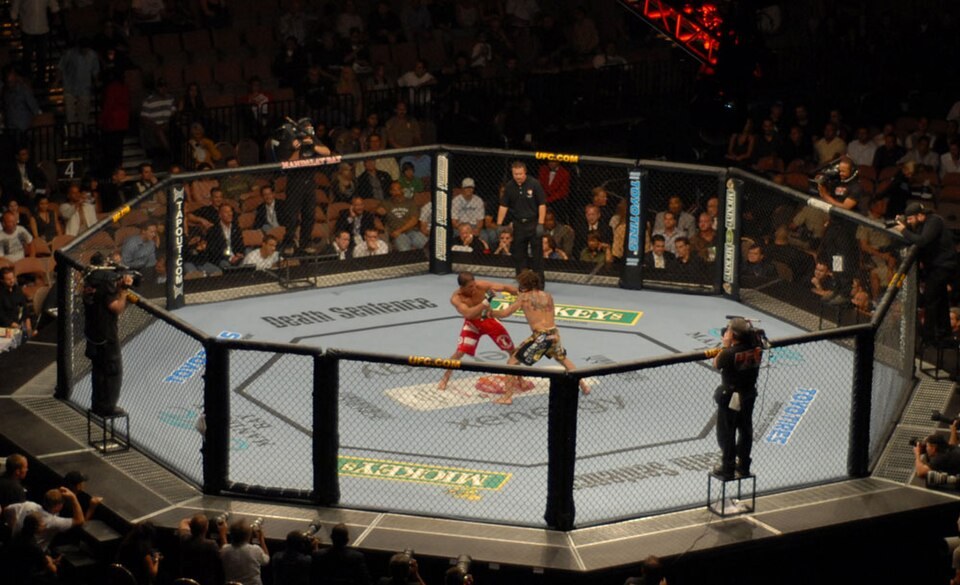
Photo by U.S. Marine Corps photo by Cpl. Alfonso Livrieri, Public domain, via Wikimedia Commons
The Ultimate Fighting Championship (UFC) is the biggest mixed martial arts promotion in the world. Many fighters dream of following Hall of Famers like Randy Couture and Chuck Liddell.
Wouldn't you love that too?
There is no single entry route. The UFC signs fighters it believes can win and draw an audience, so the path starts with training and building a strong record. Here's how to become a UFC fighter.
How To Join The Ultimate Fighting Championship
It starts the day you begin training in mixed martial arts. There's no shortcut, because thousands of fighters are aiming for the same roster.
Some fighters reach the UFC after a few years as professionals, while others take a decade. Here's what you can do along the way:
Compete In MMA Circuits Near You
You're only as good as your last bout, whether you're a seasoned fighter or a beginner. Even top UFC fighters lose when they least expect it.
Talent without experience won't get you far. Start with amateur fights in your area to learn how to handle nerves, weight cuts and real opponents.
Experienced fighters at local gyms and events can help you sharpen your game and tell you how they got noticed by promoters.
Most UFC fighters built their records on regional cards before getting the call. Each opponent there will teach you something.
Watch This!
Apply To Join The Ultimate Fighter
The Ultimate Fighter reality series has given many fighters their first shot at the UFC.
Former contestants include Forrest Griffin, Michael Bisping and Kamaru Usman, who each won their season and went on to big UFC careers. You get exposure to UFC management and train alongside strong opponents.
The fights are arranged for you, so you don't have to chase bookings yourself.
But competition for a spot is tough, so you need a solid record and a good highlight reel when you apply.
Fight In The Lower League First
You may have to start in other promotions before the UFC notices you. Those fights give you experience and build your professional record.
If you check UFC fighters' records, you'll see that many fought in several promotions before they were signed.
So, which promotions should you consider?
There are many, including Cage Warriors, Road FC, and Rizin FF. Once your name is out there, you can also look at large organizations such as the PFL (which bought Bellator in 2023) and ONE Championship.
The UFC scouts these promotions too. Talent also moves the other way: Demetrious Johnson built his name in the UFC before moving to ONE Championship in 2018.
Watch This!
Join A Renowned MMA Gym
The right gym may be close by. Check out local gyms for MMA programs and start training so you'll be ready when an opportunity comes.
If there's no MMA gym near you, train in single disciplines such as Muay Thai, boxing, wrestling, and Brazilian Jiu-Jitsu.

Many UFC fighters started in those sports before moving to MMA. A strong base in striking and grappling will make you a better mixed martial artist.
Join Dana White's Contender Series
Dana White's Contender Series has run every year since 2017. It is built to scout new talent, and fighters who impress UFC CEO Dana White can earn a UFC contract on the spot.
It's a seasonal show of live fights in Las Vegas. Sean O'Malley is one of its best-known graduates: he earned his contract in July 2017, during the first season, and won the UFC bantamweight title in 2023.
Even if you don't get a contract, the exposure can bring offers from other promotions.
Get A Manager
Once you're a professional, a manager can handle the business side while you focus on training. That includes negotiating contracts, finding fights and dealing with promoters.
Do your due diligence before signing with anyone. A good manager with connections can help you get into bigger promotions and better matchups.
Apply To The UFC
If you have a strong record, there's no harm in getting your highlights in front of the UFC through casting calls for The Ultimate Fighter or through your manager's contacts.
Fighters with strong records in kickboxing or other combat sports are sometimes signed with little MMA experience. Gokhan Saki, a well-known kickboxing champion, joined the UFC in 2017 despite a very short MMA record.
So if you're already winning in combat sports, it may be time to let the UFC know you exist.
Knock-Out Point: Once you make it in the league, you have to show your toughness to withstand the opposition! We have listed some names of knockout artists you might want to familiarize yourself with for motivation -- Most Knockouts in UFC.
Frequently Asked Questions
How many years does it take to become a UFC fighter?
Every UFC fighter's path is different. Most spend several years training and fighting as amateurs and regional professionals before being signed.
If you can't find a full MMA gym, train at a boxing gym, Muay Thai gym or wrestling club to build your skills. Keep fighting and winning, and scouts are more likely to notice you.
Is it hard to become a UFC fighter?
Yes. New fighters have to work much harder to get noticed than established names, whose records already speak for them.
It takes longer if you skip the basics: steady training in a good gym and regular fights so promoters can see what you can do. Social media can help too, so share training clips and fight footage.
Many fighters build their careers in other promotions before the UFC calls. If you're just starting out, ask your coaches about local amateur events.
Do UFC fighters get a salary?
No. UFC fighters are independent contractors, not employees. They are paid per fight under their contract, usually with "show" money for competing and extra "win" money if they win.
New fighters often sign multi-fight contracts and renegotiate as they build a record and a fan base.
The UFC also pays post-fight bonuses, currently Fight of the Night and Performance of the Night. Older bonus categories such as Knockout of the Night and Submission of the Night were folded into Performance of the Night in 2014.
Sponsorship deals are another source of income for the biggest names. Jon Jones, for example, signed endorsement deals with brands such as Nike and Gatorade.
Conclusion
The MMA world has many promotions, but the UFC is the goal for most professional fighters. The fame, pay and bonuses draw many people who want to fight for a living.
First, train hard and build a complete skill set. Second, compete, build a winning record, and get yourself on shows like The Ultimate Fighter or Dana White's Contender Series. And third, keep winning until the UFC can't ignore you.
Are you planning to join the MMA? Tell us in the comments below.


.jpg)