UFC Number Meaning: We Look Into The Numerical Assignments
Contents
- Meaning Of UFC Number
- How UFC PPV Event Numbering Works
- The Differences Between Numbered UFC Events
- UFC Fight Night
- UFC Vegas
- UFC ESPN+
- Biggest UFC PPV Events
- UFC 229: Khabib vs. McGregor
- UFC 202: Diaz vs. McGregor 2
- UFC 100: Lesnar vs. Mir 2
- UFC 196: McGregor vs. Diaz
- UFC 205: Alvarez vs. McGregor
- UFC 194: Aldo vs. McGregor
- UFC 116: Lesnar vs. Carwin
- UFC 207: Nunes vs. Rousey
- Watch This!
- Frequently Asked Questions
- How Much Do They Pay UFC Fighters?
- Where to Watch UFC Events?
- Conclusion
- Sources
Watching UFC on weekends is how I relax with friends, but I'm not an MMA fanatic or fighter.
But then…
I noticed that UFC events have numbers and didn't understand the system. Neither did my friends. So I looked into it, and here is the simple version.
Meaning Of UFC Number
The Ultimate Fighting Championship (UFC) numbers its flagship events in order, starting with UFC 1 in 1993. Other event series, such as Fight Nights, have their own names and numbering.
In the early years, every UFC event was a numbered pay-per-view (PPV) show. As the sport grew, the UFC added more event series.
To understand the numbers, it helps to know each type of event.
How UFC PPV Event Numbering Works
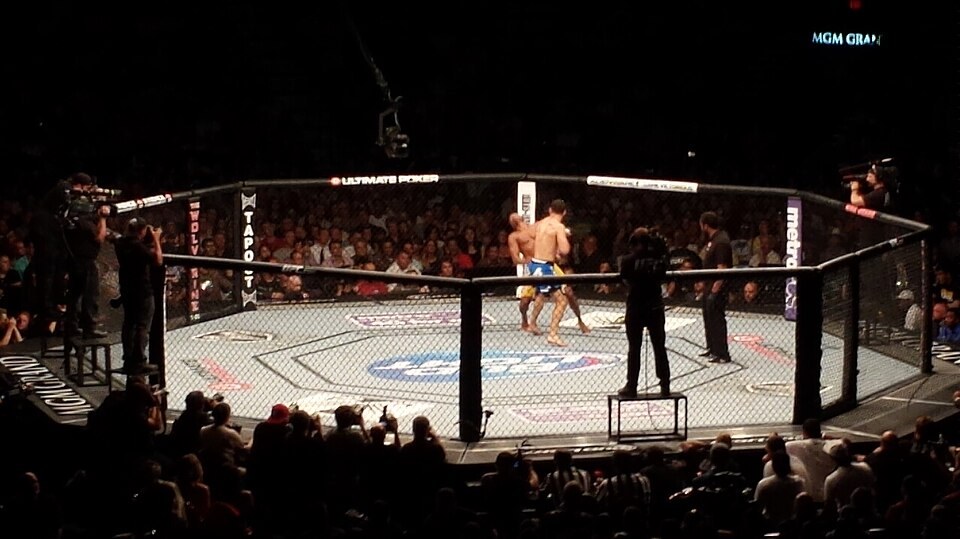
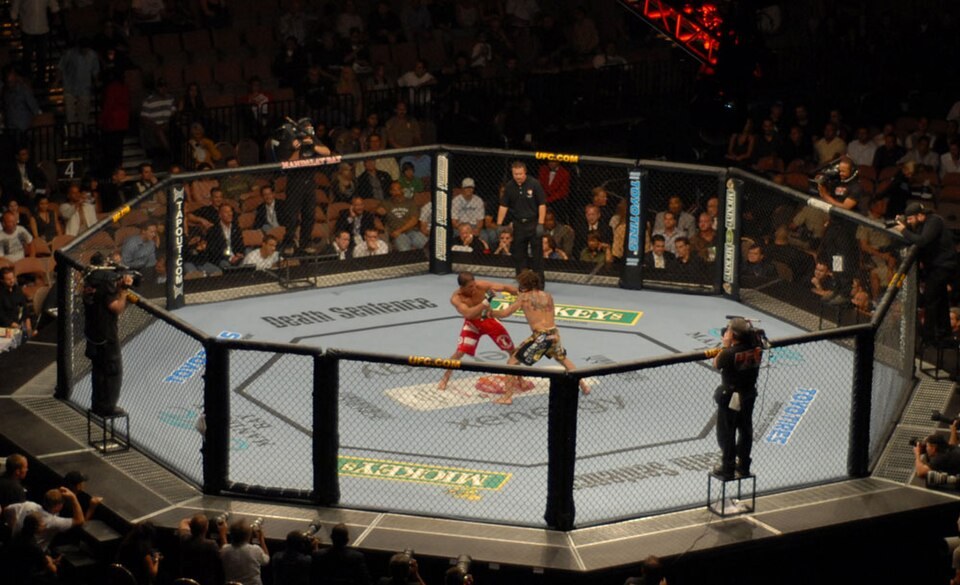
The numbered events are the UFC's biggest shows. They usually carry the championship fights and the most famous names. For example, UFC 200.
Most numbered events add the main event fighters' names, like UFC 262: Oliveira vs. Chandler. Rematches and trilogies add a number at the end, like UFC 252: Miocic vs. Cormier 3. Labels like "Vegas" or "Fight Island" belong to non-numbered events.
The numbered UFC events are the UFC's original series. They began with UFC 1 in 1993 and passed UFC 300 in 2024.
In the U.S., numbered events were sold as pay-per-view for decades. That changed in 2026: under the UFC's deal with Paramount, all numbered events and Fight Nights stream on Paramount+ as part of the subscription, with no separate pay-per-view fee.
The Differences Between Numbered UFC Events

Besides the numbered events, the UFC runs other series, such as UFC Fight Night 48. These were never sold as pay-per-view; they aired on cable or streaming services.
The series name often tells you the broadcaster or the venue.
Non-numbered cards are usually referred to by the headlining fighters' names, which makes them harder to remember than numbered events.
UFC Fight Night
UFC Fight Night is the UFC's most common event series after the numbered events.
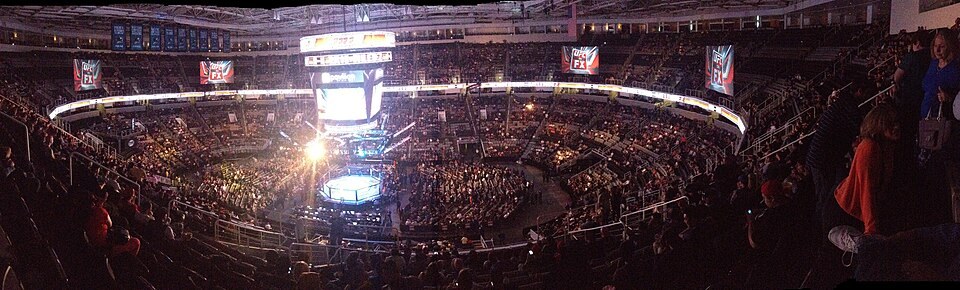
It started with UFC Ultimate Fight Night in August 2005 on Spike TV. The whole card aired on television at no extra charge, which made it stand out. The "Ultimate" was later dropped from the name.
Fight Nights often lack the biggest stars of numbered events, but they have produced great fights, including the five-round battle between Anderson Silva and Michael Bisping at UFC Fight Night 84.
Since 2026, Fight Nights stream on Paramount+ in the U.S.
UFC Vegas
UFC Vegas events are held at the UFC Apex in Enterprise, Nevada, part of the Las Vegas area, so the name is a little misleading. The series began in 2020, when the COVID-19 pandemic forced the UFC to run events without crowds.
The Apex Center is the UFC's own production venue near its headquarters, which let it hold fights without renting arenas.
UFC ESPN+
UFC on ESPN+ events were cards streamed on the ESPN+ app during the UFC's ESPN deal, which ran from 2019 through 2025. They should not be confused with UFC on ESPN cards, which aired on the ESPN TV channel.
That deal has ended, and since 2026 UFC events in the U.S. stream on Paramount+ instead.
Biggest UFC PPV Events

Below are some of the biggest UFC pay-per-view events of the PPV era. The UFC never published official buy numbers, so the figures you see online are media estimates.
UFC 229: Khabib vs. McGregor
Widely reported as the best-selling UFC event ever. Khabib Nurmagomedov submitted Conor McGregor in the fourth round to keep his lightweight title.
UFC 202: Diaz vs. McGregor 2
McGregor won a majority decision over Nate Diaz in a rematch at 170 pounds.
UFC 100: Lesnar vs. Mir 2
A landmark card headlined by Brock Lesnar vs. Frank Mir and Georges St-Pierre vs. Thiago Alves, with Dan Henderson vs. Michael Bisping and a young Jon Jones also on the card.
UFC 196: McGregor vs. Diaz
One of the biggest upsets in UFC history. Nate Diaz submitted McGregor, handing him his first UFC loss.
UFC 205: Alvarez vs. McGregor
The UFC's first event at Madison Square Garden in New York City. McGregor stopped Eddie Alvarez in the second round to win the lightweight title.
That made him the first fighter to hold UFC titles in two divisions at the same time (featherweight and lightweight).
UFC 194: Aldo vs. McGregor
The fight that made McGregor a superstar. He knocked out Jose Aldo in 13 seconds, the fastest finish in UFC title fight history.
UFC 116: Lesnar vs. Carwin
Brock Lesnar, then the sport's biggest draw, survived a brutal first round and submitted Shane Carwin in the second.
UFC 207: Nunes vs. Rousey
Ronda Rousey returned a year after losing her title to Holly Holm at UFC 193. Amanda Nunes stopped her in 48 seconds.
You can rewatch many classic UFC fights on UFC Fight Pass, the UFC's own subscription archive.
Watch This!
Frequently Asked Questions
Here are answers to some common questions related to UFC numbering:
How Much Do They Pay UFC Fighters?
Pay varies widely. Newer fighters earn a fixed show fee plus a win bonus, while stars negotiate much larger contracts. The UFC does not publish full pay figures for every fighter, so be wary of exact averages you see online.
Where to Watch UFC Events?
1. Numbered UFC Events
In the U.S., since 2026, numbered events stream on Paramount+ as part of the subscription, with some cards also airing on CBS. There is no separate pay-per-view fee.
2. UFC Fight Nights
Fight Nights also stream on Paramount+ in the U.S.
3. Outside the U.S.
Broadcast partners differ by country, so check the UFC's website for your region.
Conclusion
The number in a UFC event's name simply counts the UFC's flagship events in order, starting with UFC 1 in 1993.
Fight Nights and other series are numbered or named separately, so a Fight Night number is not part of the main UFC count.